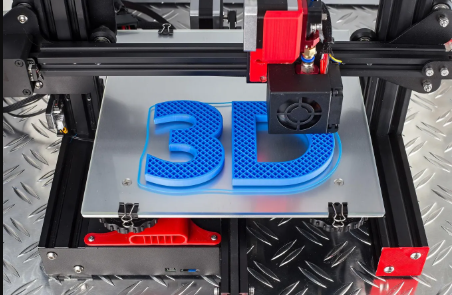
3D printing is transforming industries by offering innovative solutions and enhanced customization. In healthcare, it enables bioprinting of organs and advanced prosthetics. The aerospace sector benefits from lightweight components and rapid prototyping, improving efficiency. Fashion designers are also embracing this technology to create unique garments. As these applications expand, they raise questions about sustainability and the future of production. What implications do these advancements hold for traditional manufacturing practices?
Transforming Healthcare With 3D Printing
As healthcare continues to evolve, the integration of 3D printing technology has emerged as a transformative force, revolutionizing the way medical professionals approach patient care.
Bioprinting organs offers unprecedented possibilities for transplantation, while advanced prosthetic development provides customized solutions for patients, enhancing their quality of life.
This technology not only fosters innovation but also promotes autonomy, empowering individuals to reclaim their health and independence.
Innovations in Aerospace Manufacturing
The advancements in 3D printing technology are not limited to healthcare; they are also making significant strides in aerospace manufacturing.
Additive technologies enable the creation of lightweight structures that enhance fuel efficiency and reduce material waste.
See also: Stress Less, Live More: 10 Relaxation Techniques Unveiled
Customization in Fashion and Design
How can 3D printing reshape the landscape of fashion and design?
This technology empowers designers to create bespoke garments and intricate fashion accessories tailored to individual preferences.
By enabling customization, 3D printing fosters creativity and personal expression, allowing consumers to break free from traditional retail constraints.
As a result, the fashion industry is evolving towards a more personalized and innovative approach to style.
Sustainability and Waste Reduction in Production
While traditional manufacturing processes often contribute to significant waste and environmental degradation, 3D printing presents a transformative solution by promoting sustainability and waste reduction in production.
This innovative technology utilizes recyclable materials and allows for efficient prototyping, minimizing excess material use. As a result, it empowers industries to adopt more eco-friendly practices, fostering a future where production aligns with environmental stewardship and consumer freedom.
Conclusion
As 3D printing continues to evolve, its potential to reshape entire industries hangs tantalizingly in the balance. The promise of bioprinted organs, aerospace advancements, and bespoke fashion raises questions about the future of traditional manufacturing. Will these innovations lead to a more sustainable world, or will they introduce unforeseen challenges? The unfolding narrative of 3D printing invites both excitement and apprehension, compelling stakeholders to navigate this uncharted terrain with caution and vision, as the next chapter in production approaches.