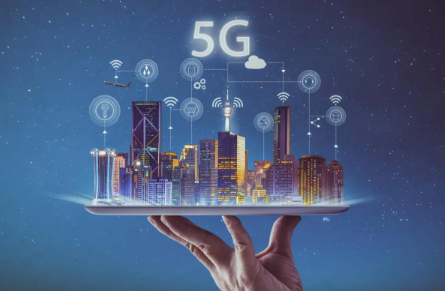
5G technology represents a pivotal shift in connectivity, promising significant enhancements in speed and responsiveness. This advancement stands to transform industries such as healthcare and transportation, where real-time data exchange is crucial. Furthermore, smart cities will leverage 5G to optimize infrastructure and promote sustainable living. As these changes unfold, the implications for emerging technologies could be profound, hinting at a future that could redefine everyday experiences in ways yet to be fully realized.
The Speed Revolution: How 5G Changes Connectivity
As the world increasingly relies on digital connectivity, the advent of 5G technology marks a significant turning point in how individuals and devices communicate.
This new standard dramatically reduces network latency, allowing for instantaneous data transmission. As a result, applications become more responsive, enhancing user experiences and enabling real-time interactions.
Transforming Industries: 5G in Healthcare, Transportation, and More
While many industries grapple with the challenges of modern demands, the integration of 5G technology is proving to be a transformative force, particularly in sectors like healthcare and transportation.
Telemedicine advancements are enhancing remote patient care, while autonomous vehicles benefit from real-time data exchange, improving safety and efficiency.
These innovations underscore 5G’s potential to revolutionize how industries operate and respond to evolving consumer needs.
The Rise of Smart Cities: 5G’s Role in Urban Development
With urban populations growing at an unprecedented rate, the development of smart cities has emerged as a critical response to the challenges of modern urban living.
5G technology plays a pivotal role in enhancing smart infrastructure, enabling seamless communication between devices and systems.
This connectivity facilitates improved urban mobility, optimizing traffic flow, reducing congestion, and ultimately fostering a more sustainable and efficient urban environment.
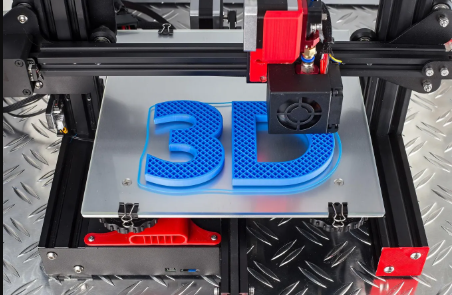
See also: 3D Printing and Its Revolutionary Applications
Future Innovations: What 5G Means for Emerging Technologies
Given its unprecedented speed and low latency, 5G technology is set to revolutionize the landscape of emerging technologies across various sectors.
This evolution will significantly enhance augmented reality applications, enabling richer, real-time user experiences.
Moreover, 5G will propel autonomous vehicles, allowing them to communicate seamlessly with infrastructure and each other, ultimately fostering safer and more efficient transportation systems that liberate users from traditional constraints.
Conclusion
As 5G technology unfurls its potential, it serves as the backbone of a new era, much like the invention of the wheel revolutionized transportation. With its remarkable speed and low latency, 5G enables seamless connectivity that can transform healthcare, transportation, and urban living. Just as wheels paved the way for faster journeys, 5G paves the path for innovative solutions that address contemporary challenges, ultimately reshaping how society interacts, works, and thrives in an increasingly interconnected world.